
Government of Ireland Postgraduate Scholar · RCSI
Decoding the non‑coding.
Making the 98% of the genome we usually ignore finally legible.
The premise
Reading the genome's dark matter.
Most of the genome doesn't code for proteins. I'm convinced that's exactly where the most interesting answers in cancer are hiding.
So I build the tools to read it: deep learning, epigenomics and large-scale multi-omics, turned on the 98% we usually skip.
Explore the research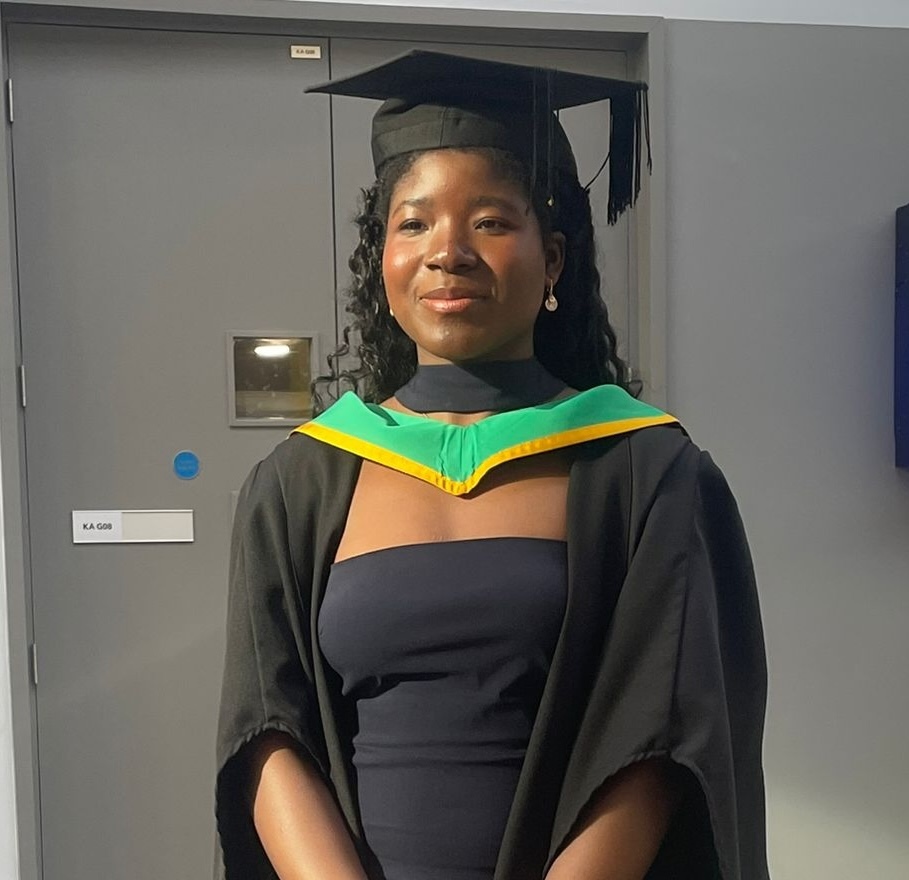
About me
Building the bridge between code and cure.
I'm a PhD researcher at the Royal College of Surgeons in Ireland, investigating non-coding driver mutations in breast cancer using large-scale genomic datasets including TCGA, ICGC and ENCODE.
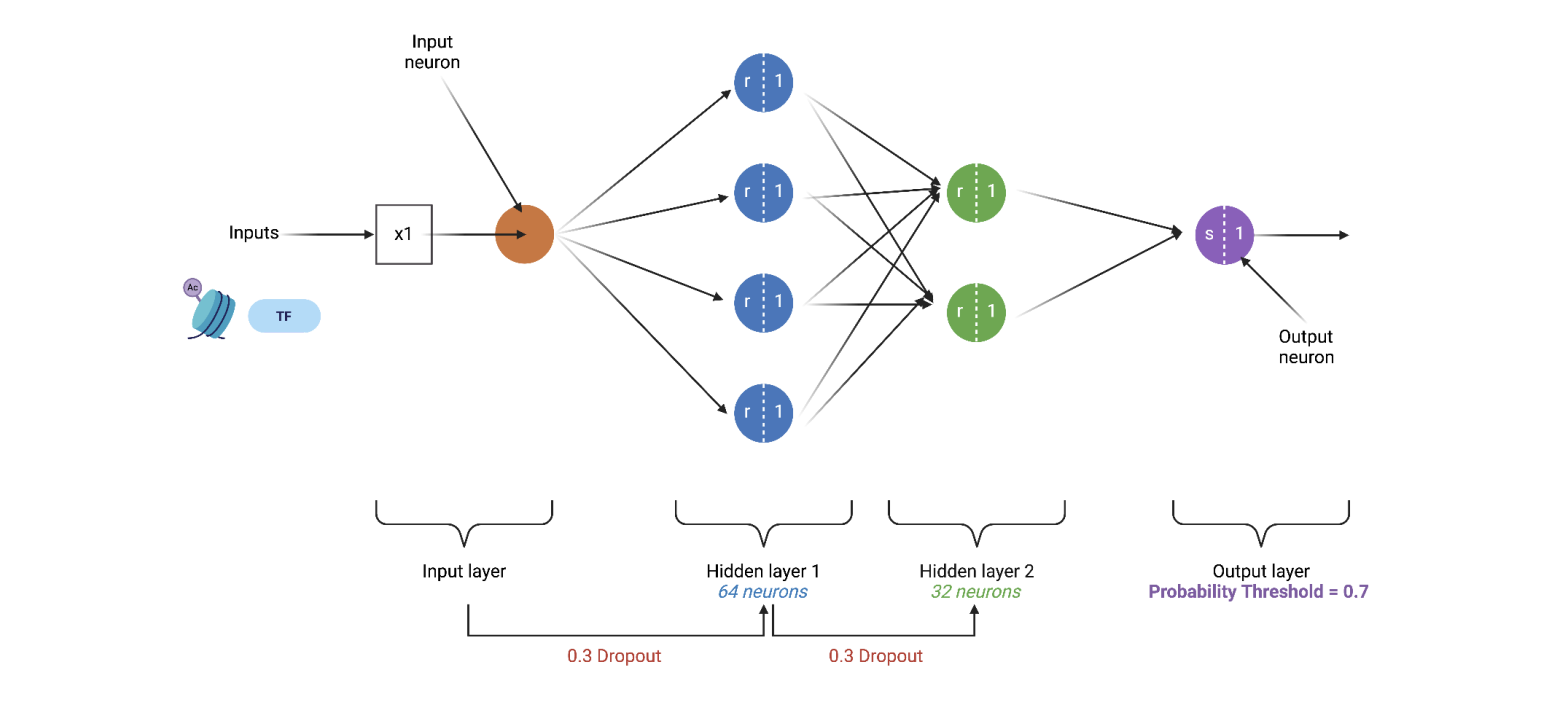
My work applies deep learning and integrative computational approaches, from CNNs and multilayer perceptrons to Hidden Markov Models, to find functional variants in regulatory elements and uncover new therapeutic vulnerabilities.
I completed my B.Sc. in Genetics and Cell Biology at Dublin City University with First Class Honours, ranking 2nd in my cohort (Salutatorian) and earning a place on the Dean's Honours List.
won
hackathons
winner
Research focus
My research themes.
Non-Coding Driver Mutations
Investigating the 98% non-coding genome to find regulatory mutations that drive breast cancer progression, using >5,000 whole genomes from TCGA and ICGC.
Deep Learning for Genomics
Developing CNNs, GNNs, MLPs and Hidden Markov Models to predict chromatin accessibility and prioritise candidate driver mutations from multi-omics data.
3D Regulatory Mapping
Building breast tissue-specific regulatory maps by integrating single-cell ATAC-seq, spatial transcriptomics and ENCODE regulatory elements.
Surgical Robotics & Embedded AI
Bringing machine learning into the operating theatre: Arduino and ESP32 prototyping, and robot-assisted endomicroscopy at the Hamlyn Centre at Imperial, keeping a probe in focus so a surgeon can read cells at the tumour margin.
Featured
NCypher
1st place · Built with Claude: Life Sciences (Researcher track)
An honest triage engine for non-coding cancer variants. For any variant it returns a regulatory-activity score, the mechanism it breaks (which motif, which base) and a calibrated confidence flag, delivered as an MCP tool for Claude. Beachhead: H3 K27M diffuse midline glioma.
See the project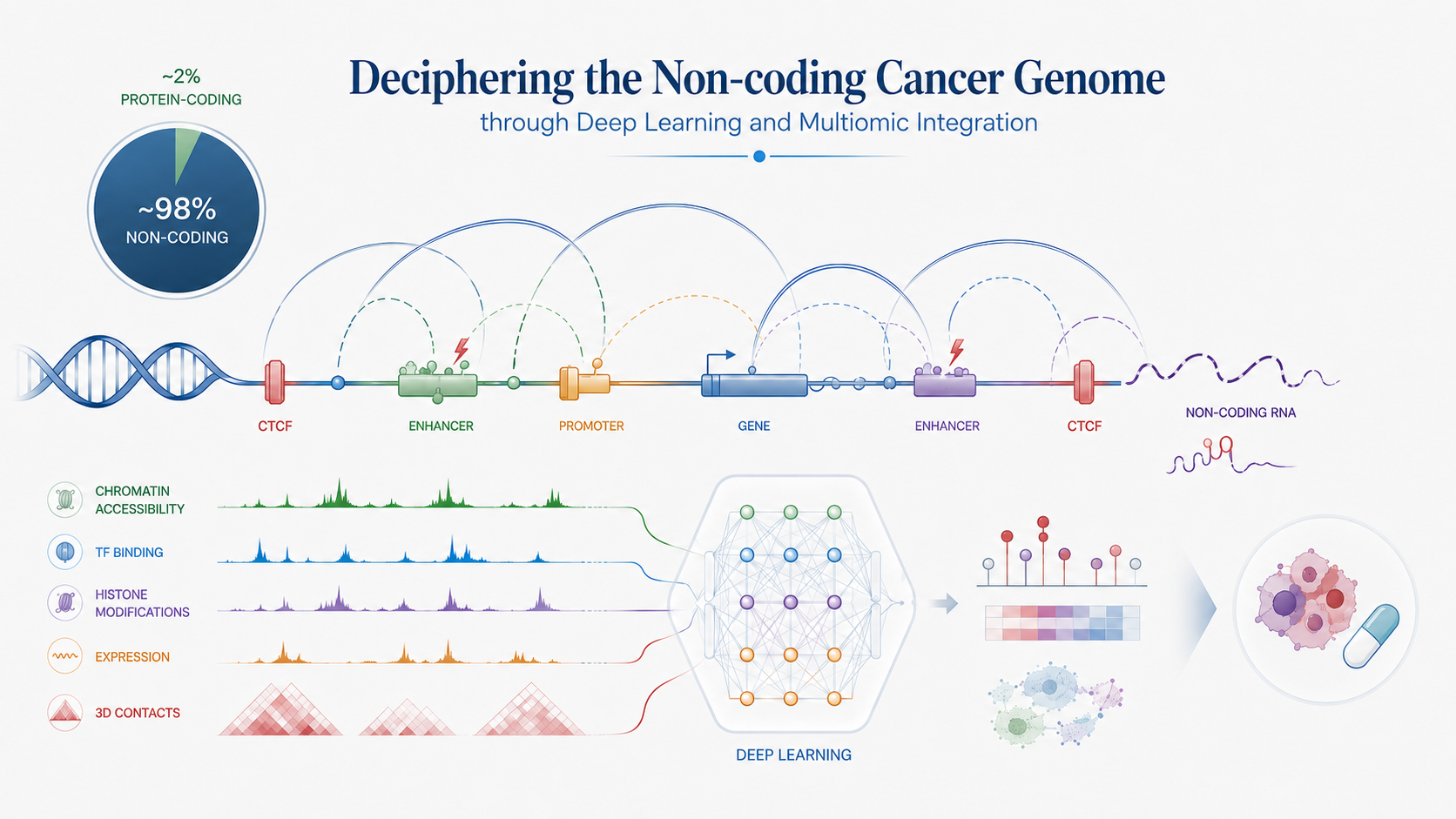
The collection
Where to next.
Latest
Recent dispatches.
Let's talk
Let's decode something.
Collaborations, questions, or just curious about the non-coding genome? My inbox is open.